
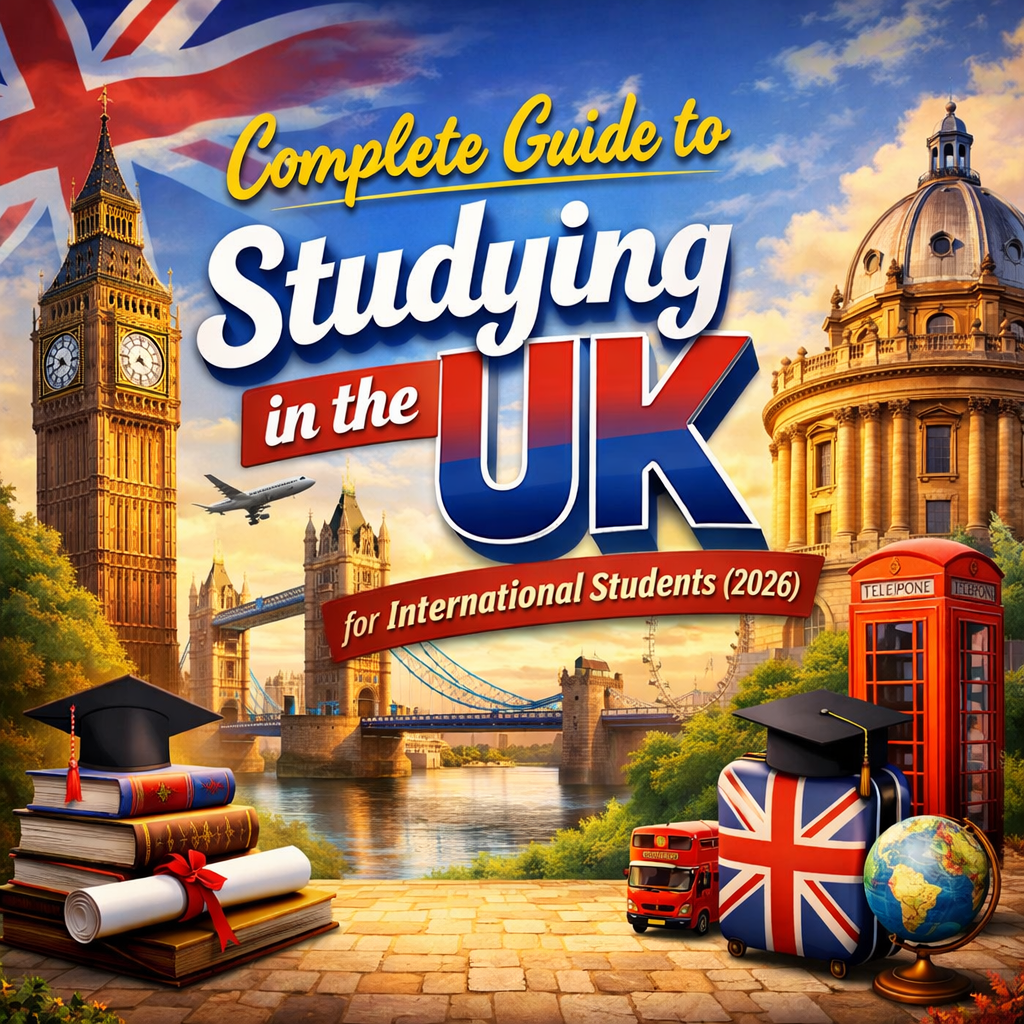
Studying in the UK remains one of the most structured and academically respected options for international students. With globally recognized universities, shorter degree durations, and clear academic pathways, the UK continues to attract students from around the world.
However, studying in the UK requires clarity, proper academic alignment, and realistic financial planning. This complete guide explains everything international students need to know in 2026 — from admission requirements and study pathways to visa processes, costs, and common mistakes.
Why Study in the UK?
The UK education system is known for:
- Globally recognized qualifications
- Shorter program durations (3-year Bachelor’s, 1-year Master’s)
- Strong academic quality standards
- Structured progression routes
- Multicultural learning environment
The UK rewards preparation and academic relevance. It is not designed for shortcuts or rushed decisions.
UK Study Pathways Explained
Understanding the right pathway is essential before applying.
Bachelor’s Degree in the UK
- Duration: 3 years (England, Wales, Northern Ireland)
- Duration: 4 years (Scotland)
- Requires recognized secondary education qualifications
Bachelor’s programs provide academic foundation and subject-specific development.
Master’s Degree in the UK
- Duration: Usually 1 year (full-time)
- Specialized and intensive
- Requires relevant undergraduate background
UK Master’s degrees are shorter but academically demanding.
PGCE (Postgraduate Certificate in Education)
- Professional teacher training qualification
- Not a general Master’s degree
- Requires subject relevance and teaching intent
PGCE is suitable for students pursuing a teaching career.
UK Admission Requirements for International Students
Admission requirements vary by university and course but generally include:
- Academic transcripts
- Recognized qualifications
- English language proof
- Personal statement
- Reference letters (if required)
Each university sets specific eligibility criteria. Applying without confirming course relevance is a common mistake.
English Language Requirements
Most UK universities require proof of English proficiency.
Common options include:
- IELTS Academic
- Approved English alternatives
- English waivers (in limited cases)
Not all universities accept alternatives. Always verify the requirement for your chosen institution.
UK Intakes for International Students
The UK typically offers two main intakes:
September Intake
- Primary intake
- Largest course availability
January Intake
- Limited course availability
Planning early increases options and reduces risk.
When Should You Start Planning?
Recommended timeline:
- 8–12 months before intake: Research and preparation
- 6–8 months before intake: Submit university applications
- 3–5 months before intake: Apply for student visa
Late planning often reduces flexibility.
Cost of Studying in the UK
Tuition Fees
- Undergraduate: £10,000 – £20,000+ per year
- Postgraduate: £11,000 – £25,000+ per year
Fees vary by university and course.
Living Costs
Living expenses depend on the city:
- London: Higher cost of living
- Outside London: Moderate cost of living
Students must calculate total annual expenses, including accommodation, food, transportation, and personal costs.
Financial clarity is essential before applying.
UK Student Visa Process (Overview)
International students apply under the UK Student Route.
Basic requirements include:
- Confirmation of Acceptance for Studies (CAS)
- Proof of funds
- English language evidence
- Academic documentation
Visa decisions are based on documentation clarity, financial credibility, and genuine study intent.
There are no guarantees in any visa process.
Who Should Choose the UK?
The UK is suitable for students who:
- Want globally recognized degrees
- Prefer structured academic systems
- Have clear academic progression plans
- Are financially prepared
- Value shorter postgraduate programs
Who Should Reconsider the UK?
The UK may not be suitable for students who:
- Are seeking quick or low-preparation routes
- Have unclear academic goals
- Lack financial planning
- Rely on assumptions instead of research
Suitability matters more than trends.
Common Mistakes to Avoid
- Choosing irrelevant courses
- Writing weak personal statements
- Submitting unrealistic financial documents
- Applying too late
- Assuming English waivers apply universally
Strong preparation reduces risk significantly.
Frequently Asked Questions
Is the UK good for international students?
Yes, for students with clear academic goals and proper preparation.
How long is a Master’s degree in the UK?
Most full-time Master’s programs last 1 year.
Is IELTS mandatory for studying in the UK?
Often yes, but alternatives may be available depending on the university.
How much money is required to study in the UK?
Costs vary depending on tuition fees and living expenses. Students must prepare realistically.